Introduction: The Green Revolution in Construction
In a world increasingly aware of environmental issues, the construction industry is undergoing a significant transformation. One of the shining stars in this revolution is the steel frame pole barn. These structures are not just practical; they can be designed and constructed to be environmentally responsible. But how do you make your steel frame pole barn more eco-friendly?
In this article, we'll explore various strategies and materials that can help you achieve an environmentally responsible design for your pole barn garages. From energy efficiency to sustainable materials, let’s dive deep into the details.
Understanding Steel Frame Pole Barns
What Are Steel Frame Pole Barns?
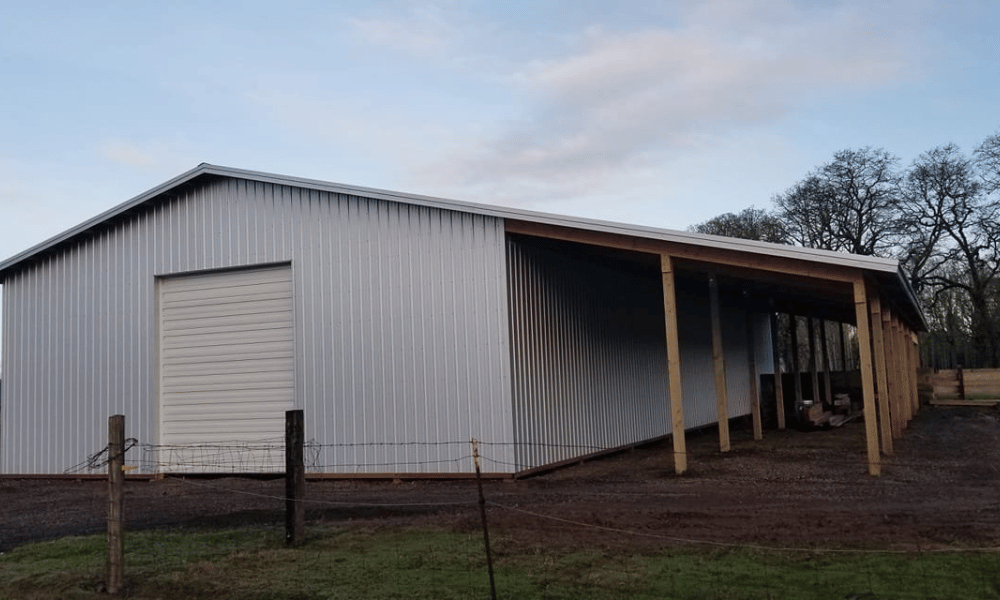
Steel frame pole barns are versatile structures primarily used for storage, workshops, or even living spaces. They’re built using steel frames supported by poles embedded in the ground.
Benefits of Steel Frame Pole Barns
Durability: Steel is resistant to rotting, pests, and harsh weather conditions. Low Maintenance: Unlike wood structures that require regular upkeep, steel needs minimal maintenance. Versatility: They can be customized for various purposes, including pole barn garages.Why Go Green with Your Pole Barn?
Making your steel frame pole barn environmentally responsible isn't just about following trends; it’s about making a positive impact on our planet. Here are some compelling reasons:
- Reduced Carbon Footprint: Sustainable practices lower greenhouse gas emissions. Resource Conservation: Using renewable resources helps preserve our environment. Long-Term Savings: Eco-friendly solutions often result in cost savings over time.
How to Make Your Steel Frame Pole Barn More Environmentally Responsible
To make your steel frame pole barn more environmentally responsible, consider these key aspects:
1. Utilize Recycled Materials
Using recycled steel reduces resource extraction and energy usage in manufacturing new materials. It’s a great way to minimize waste while still achieving durability in your construction.
2. Opt for Energy-Efficient Insulation
Select eco-friendly insulation options like cellulose or sheep's wool instead of traditional fiberglass. These materials not only reduce energy consumption but also improve indoor air quality.
3. Install Energy-Efficient Windows
Windows significantly affect thermal performance. Double-glazed windows with low-emissivity (Low-E) coatings can enhance energy efficiency by reflecting infrared light while allowing visible light to enter.
4. Incorporate Solar Energy Systems
Installing solar panels on your roof can drastically reduce reliance on fossil fuels and lower utility bills over time.
5. Harness Rainwater Harvesting
Implementing a rainwater harvesting system allows you to collect rainwater from your roof for irrigation or other non-potable uses.
Sustainable Design Principles for Your Pole Barn Garage
Passive Solar Design Techniques
Passive solar design maximizes natural light and heat from the sun without mechanical systems. Here are some techniques:
- Orientation: Positioning your building to maximize sunlight exposure. Overhangs: Designing roof overhangs that provide shade during summer months while allowing sunlight in during winter.
Natural Ventilation Strategies
Proper ventilation reduces dependency on heating and cooling systems:
Cross Ventilation: Placing windows across from each other allows fresh air circulation. Ventilation Roof Panels: Consider installing ventilated ridge caps that let hot air escape.Choosing Eco-Friendly Materials
Sustainable Flooring Options
When selecting flooring materials for your pole barn garage, consider these options:
Reclaimed Wood: Provides a rustic look while reducing deforestation. Bamboo Flooring: A rapidly renewable resource known for its strength and durability.Non-Toxic Paints and Finishes
Opt for low-VOC (volatile organic compounds) paints that are less harmful to both health and the environment.
Landscaping Considerations Around Your Pole Barn
Native Plant Landscaping
Utilizing native plants requires less water and maintenance as they’re adapted to local climates.
Benefits of Native Plants
- Attract local wildlife Improve soil quality Reduce watering needs significantly
Permeable Paving Solutions
Consider permeable pavers around your structure that allow rainwater drainage while preventing runoff and erosion.
Water Management Systems
Efficient Irrigation Techniques
Drip irrigation systems minimize water wastage compared to traditional sprinkler systems.
Benefits:
- Reduces evaporation Delivers water directly to roots
Greywater Recycling Systems
Implementing greywater systems allows you to reuse wastewater from sinks or showers for irrigation purposes effectively.
Energy Efficiency Audits
Conducting an energy audit helps identify areas where improvements can be made:
- Use thermal imaging cameras to inspect heat loss areas. Check insulation levels and upgrade where necessary.
How Renewable Energy Sources Aid Sustainability
Wind Turbines as an Option
If wind speeds allow it, small wind turbines can complement solar panels providing additional renewable energy sources for your structure.
FAQs About Making Your Steel Frame Pole Barn More Environmentally Responsible
Q1: What are some cost-effective ways to make my pole barn eco-friendly?
A1: Using recycled materials, choosing energy-efficient windows, and installing proper insulation can significantly cut costs while benefiting the environment.
Q2: How does insulation impact my energy bill?
A2: Proper insulation maintains stable temperatures inside your building, reducing heating and cooling costs significantly—the better insulated your building is, the less energy you'll use!
Q3: Can I install solar panels on my existing pole barn?
A3: Yes! As long as the structure is sound enough to support the weight of solar panels, you should have no problem adding them Visit this site onto your existing setup.
pole barnsQ4: What types of native plants should I consider for landscaping?
A4: Choose plants that thrive in your regional climate—local nurseries often provide guidance on which species work best!
Q5: How often should I conduct an energy audit?
A5: Ideally once every few years or after any major renovations within your structure could ensure continued efficiency in energy usage!
Q6: Is waterproofing necessary if I harvest rainwater?
A6: Absolutely! Proper waterproofing ensures that collected water remains clean and free from contaminants before use!
Conclusion
In sum, creating an environmentally responsible steel frame pole barn doesn’t have to be daunting; with thoughtful planning and implementation of eco-friendly practices, you’ll not only construct a durable structure but also contribute positively toward environmental sustainability efforts! Whether you're setting up a workshop or designing pole barn garages as a part of larger projects—remember that every little step counts towards making our planet greener! So start today by incorporating these innovative ideas into your design plans because together we can build a sustainable future!