Introduction
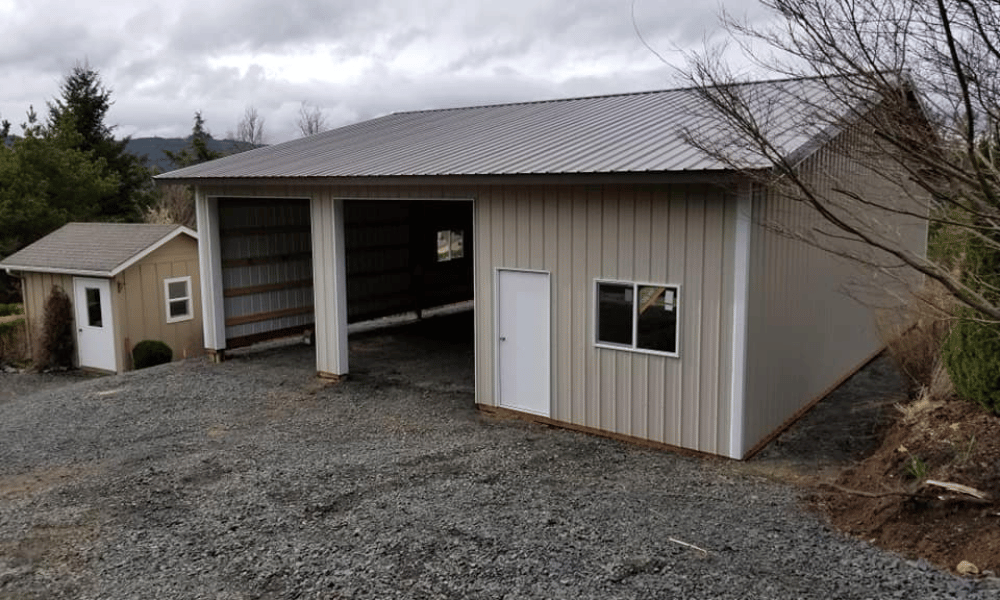
When it comes to constructing a new building, whether it's for personal or commercial use, one topic that often takes center stage is the choice between pole barns and metal structures. If you're considering adding a Pole Barn Garage to your property, you'd want to dive deep into local zoning laws. Understanding these regulations can save you time, money, and potential headaches down the line. But where do you start? In this article, we'll unravel the complexities of local zoning laws and help you make an informed decision about whether a pole barn or metal structure is right for you.
Understanding Local Zoning Laws
What Are Zoning Laws?
Zoning laws are regulations set by local governments that dictate how land can be used. These rules govern various aspects like property size, building height, and the purpose of construction (residential vs commercial).
Why Are They Important?
Zoning laws are crucial because they ensure that land is developed in a way that supports community needs. They prevent incompatible uses from being established close together—like putting a factory next to a residential neighborhood.
Types of Zoning Regulations
Residential Zoning
In residential areas, there are strict guidelines on building sizes and distances from property lines. If you're thinking about a Pole Barn Garage, it's essential to check if this type of structure is permissible in your zone.
Commercial Zoning
Commercial zones allow for businesses but may impose unique restrictions on aesthetics and functionality. Metal structures might be favored here due to their modern appearance.
Agricultural Zoning
If you're in an agricultural area, both pole barns and metal structures may be allowed for storage or livestock purposes but could have pole barn garage dimensions specific requirements that differ from residential or commercial zones.
Pole Barns vs Metal Structures
What Is a Pole Barn?
A pole barn is typically made using wooden posts buried in the ground to create the structural support for the roof. It’s a popular choice for garages due to its cost-effectiveness and versatility.
What Is a Metal Structure?
Metal structures are built primarily using steel or other metal materials, offering durability and low maintenance over time.
Cost Comparison: Pole Barns vs Metal Structures
| Feature | Pole Barns | Metal Structures | |--------------------|----------------------|-----------------------| | Initial Cost | Generally lower | Generally higher | | Maintenance Costs | Moderate | Low | | Lifespan | 30-50 years | 50+ years |
Benefits of Pole Barn Garages
Cost Efficiency
One of the main advantages of choosing a pole barn garage is its affordability. The materials are generally less expensive than metal options, making it easier on your wallet.
Versatility in Design
Pole barns offer flexibility in design; you can customize them easily based on your needs—be it additional storage space or even living quarters!
Benefits of Metal Structures
Durability
Metal buildings can withstand extreme weather conditions better than wood structures. They resist rot and pests effectively.
Low Maintenance
Once constructed, metal garages require little upkeep compared to their wooden counterparts. You won't need to worry about repainting or repairing wood damage frequently.
How Zoning Affects Your Choice: Pole vs Metal
Local Building Codes
Before deciding between pole barns and metal structures, you'll need to consult local building codes related to both types. Some areas might lean toward favoring one over the other based on aesthetic standards or community character.
Setback Requirements
Most zoning laws include setback requirements dictating how far structures must be from property lines. This could impact your decision significantly—especially if you're working with limited space.
Permitting Process: What You Need to Know
Step 1: Research Local Requirements
Start by visiting your local planning department's website or office. Familiarize yourself with zoning classifications that apply to your property.
Step 2: Submit Plans for Approval
Once you've selected your design (pole barn or metal), you'll likely need to submit plans for approval before commencing construction.
Step 3: Obtain Necessary Permits
Be prepared for inspections during construction as part of securing necessary permits based on local laws governing safety standards.
Frequently Asked Questions (FAQs)
Q1: Do I need a permit for a pole barn garage?
A1: Yes, most municipalities require permits for building structures like garages regardless of material used.
Q2: Can I convert my pole barn into living space?
A2: Potentially! However, you'll need to ensure it complies with local residential zoning requirements beforehand.
Q3: Are there restrictions on height for metal buildings?
A3: Yes, many areas impose height limits depending on zoning classifications; always check first!
Q4: How long does it take to get approval for construction?
A4: The timeframe varies widely based on locality but expect anywhere from weeks to months depending on complexity and backlog at permitting offices.
Q5: Can I build both types within my property's boundaries?
A5: It depends on local regulations regarding maximum allowable square footage per lot; consult local guidelines first!
Q6: Which option is better in terms of resale value?
A6: Typically, well-constructed metal buildings may yield higher resale values due in part because they appeal more broadly across various buyers seeking durability over aesthetics alone!
Conclusion
Choosing between pole barns and metal structures isn't merely about personal preference—it also involves navigating through local zoning laws that govern what you can build where you live. Understanding these regulations will not only help streamline the process but also ensure compliance with all necessary legalities involved in construction projects like Pole Barn Garages. So before breaking ground, make sure you've covered all bases—from research through permit acquisition—to avoid any complications down the road! Always remember: knowledge is power when navigating complex zoning laws surrounding construction choices!