Introduction
Building a pole barn can be an exciting venture, whether you're looking to create a workshop, storage space, or even a cozy retreat. However, before you start hammering away, it's crucial to consider how Dean Lindsey Construction experience you'll finance this project. With various financing options available, understanding the best routes for your unique situation can make all the difference. In this article, we’ll delve deep into the Financing Options for Building Your Own Pole Barn, exploring everything from traditional loans to innovative alternatives that may suit your needs.
Understanding Pole Barns: A Brief Overview
What are Pole Barns?
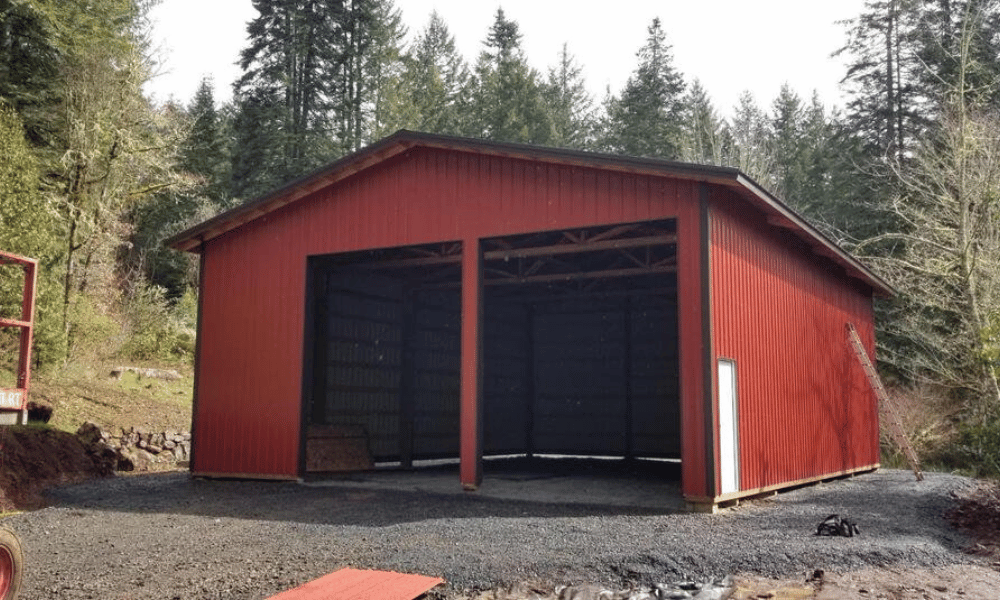
Pole barns are versatile structures often utilized for agricultural purposes but increasingly popular for residential and commercial uses as well. They are framed with poles set in concrete rather than using traditional foundation methods and are known for their cost-effectiveness and ease of construction.
Why Choose a Pole Barn?
Choosing a pole barn over other building types can offer numerous benefits. These include:
- Cost-effectiveness: Generally cheaper to construct. Versatility: Can be used for various purposes. Quick Construction: Less time-intensive compared to traditional buildings.
Financing Options for Building Your Own Pole Barn
When it comes to financing your new pole barn, you have several avenues to explore. Let's break them down:
1. Personal Savings
Using your personal savings is one of the simplest ways to finance your pole barn project. This option allows you to avoid debt entirely and gives you full control over the budget.
Advantages:
- No interest payments. Full ownership from the start.
Disadvantages:
- May deplete emergency funds.
2. Home Equity Loans
A home equity loan allows you to borrow against the equity in your home. This option can provide substantial funds at relatively low-interest rates.
Advantages:
- Lower interest rates compared to personal loans. Potential tax deductions on interest payments.
Disadvantages:
- Risk of foreclosure if unable to repay.
3. Personal Loans
Personal loans from banks or credit unions can be used specifically for building projects like pole barns.
Advantages:
- Quick access to cash.
Disadvantages:
- Higher interest rates than secured loans.
4. Construction Loans
Construction loans are short-term loans specifically designed for building projects and can cover land purchase and construction costs.
Advantages:
- Tailored specifically for building projects.
Disadvantages:
- Requires more documentation and planning.
5. Credit Cards
Though not ideal due to high interest rates, credit cards can offer a quick solution Dean Lindsey Construction if you're in a tight spot financially.
Pros:
- Immediate access to cash.
Cons:
- High interest rates can lead to debt accumulation.
How Much Does It Cost to Build a Pole Barn?
Before diving into financing options, it's essential first to understand the costs involved in building a pole barn.
Estimating Costs
The overall cost of constructing a pole barn generally ranges from $10,000 to $50,000+, depending on various factors such as size, materials used, and location:
| Item | Estimated Cost | |-----------------------|--------------------| | Base Structure | $10-$30 per sq ft | | Roof & Siding | $5-$15 per sq ft | | Interior Finishing | $20-$50 per sq ft |
Choosing the Right Financing Option
Selecting the right financing option depends on several factors:
Your Credit Score: This will significantly impact your eligibility and interest rates. Project Timeline: Some options may take longer than others; plan accordingly. Budget Flexibility: Are you comfortable with fluctuating payments? Future Financial Goals: Consider how this investment fits into your long-term plans.Creative Financing Alternatives
If traditional methods don’t appeal, consider these innovative financing strategies:
1. Peer-to-Peer Lending
Platforms like Prosper or LendingClub allow individuals to lend money directly without going through traditional banks.
2. Crowdfunding
Websites like GoFundMe let you solicit donations for specific projects from friends and family or even strangers willing to support community projects.
3. Grants
Research local agricultural grants that may help fund rural development projects like pole barns.
Tips for Securing Financing
When you're ready to apply for financing options for building your own pole barn, keep these tips in mind:
1. Prepare Documentation
Have all necessary documents ready—income statements, tax returns, etc.—to simplify the application process.
2. Improve Your Credit Score
Before applying, work on improving your credit score by paying off debts or correcting errors on your credit report.
3. Shop Around
Don't settle for the first loan offer; compare different lenders' terms and conditions!
FAQs About Financing Options for Building Your Own Pole Barn
Q1: What’s the average cost of building a pole barn?
The average cost ranges between $10,000 and $50,000+, depending on size and materials used.
Q2: Can I finance my pole barn with bad credit?
While it may be challenging, some lenders specialize in bad credit loans; however, expect higher interest rates.
Q3: Is it better to use personal savings or take out a loan?
It depends on your financial situation; using savings avoids debt but might strain emergency funds.
Q4: How long does it take to get approved for a construction loan?
Approval times vary but typically range from one week up to one month based on lender requirements.
Q5: Are there tax benefits associated with home equity loans?
Yes! Interest paid on home equity loans is sometimes tax-deductible; consult with a tax professional!
Q6: Can I use crowdfunding as an alternative financing option?
Absolutely! Crowdfunding platforms allow you to raise funds from friends/family or even strangers interested in supporting projects like yours!
Conclusion
Financing options for building your own pole barn don't have to be overwhelming when armed with knowledge about each available avenue! From personal savings and home equity loans all the way through peer-to-peer lending alternatives—understanding what works best within your unique financial landscape is crucial! Ultimately determining which route aligns most closely with both immediate needs as well as long-term goals will empower successful project completion while minimizing stress along the way!
In conclusion, whether you're looking at traditional bank loans or innovative funding tactics like crowdfunding—there's no shortage of possibilities out there waiting just around every corner! So roll up those sleeves because that dream pole barn awaits!